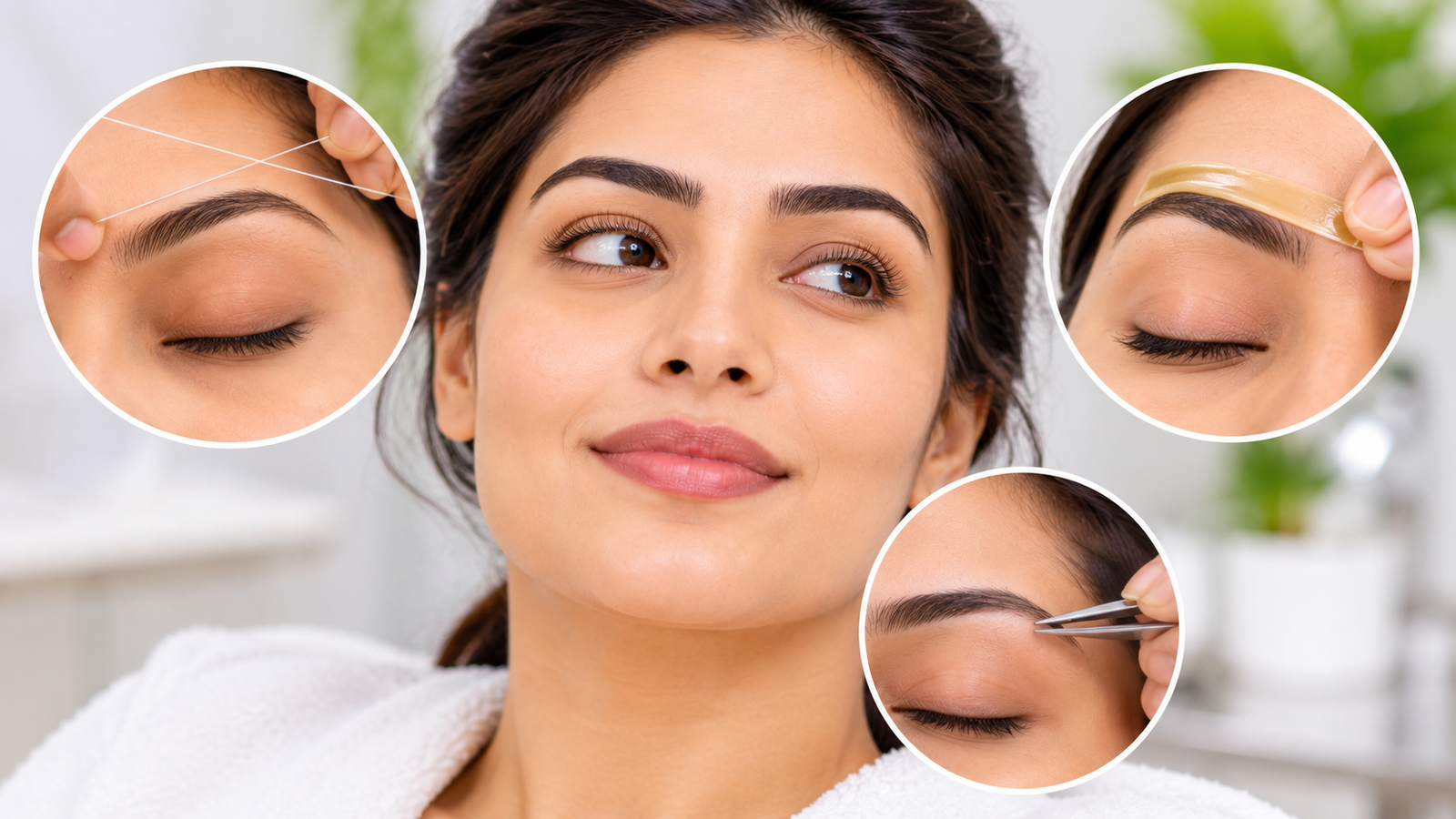
Pulling out just a few hairs can make your brows look uneven. One wrong tug can leave a gap that takes weeks to fill in. So choosing a brow hair removal method matters more than grabbing the quickest appointment.
Threading, waxing, and tweezing all remove hair from the root. They differ in precision, how they feel on your skin, and how convenient they are. Know the differences, and you can protect your natural shape and still get the finish you want.
How Do Threading, Waxing, and Tweezing Work?
Each method pulls out unwanted brow hairs by hand or with a tool. What changes is how many hairs come out at once and how much surrounding skin is involved.
Eyebrow Threading
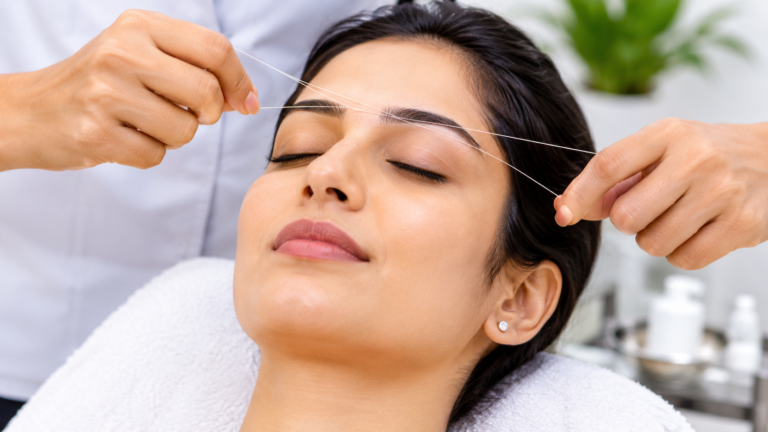
A specialist uses twisted cotton thread to catch unwanted brow hairs and pull them out from the root. Threading can take out single hairs or small groups. That helps when you want to define the arches and clear fine hairs around the brow.
No wax touches your skin. Some short-term redness can still happen. A trained professional can work step by step and check the brow outline before removing more. So tell your brow specialist how thick you want your brows to be.
Eyebrow Waxing
A specialist applies suitable wax around the brows and removes it with the right technique. Several hairs come away at once, giving clean edges quickly. The wax sticks to the skin, so improper application or fragile skin can cause irritation, burns, or skin lifting.
Eyebrow Tweezing
Tweezing uses angled tweezers to grip and pull hairs one at a time. It works well for stray hairs or small fixes between appointments. If you pull out too many hairs with no clear shape in mind, you can end up with uneven or too-thin brows. Use clean tweezers. Grip each hair close to the skin and pull in the direction it grows. Don’t dig for hairs under the surface.
Threading vs Waxing vs Tweezing: What Are the Differences?
All three can last several weeks, depending on how fast your hair grows. None removes hair for good. No method is painless for everyone.
| Factor | Threading | Waxing | Tweezing |
| Hair removal | Thread catches hairs. | Wax removes multiple hairs at once | Tweezers pull individually. |
| Precision | Detailed shaping | Defined outer edges | Individual touch-ups |
| Speed | Quick for shaping | Quick for larger sections | Slower for many hairs |
| Skin contact | No wax | Wax contacts skin. | Minimal surrounding contact |
| Possible Irritation | Redness, bumps | Redness, burns, lifting | Redness, ingrown hairs |
Precision and Brow Shape
Threading and tweezing let you control single hairs. That can help you keep your brows full. Waxing works fast along planned brow lines, but it needs careful placement. The skill of the person doing the treatment counts as much as the method. Bring a reference photo if you have a shape in mind. Your natural brow growth may limit what’s possible, though.
Discomfort and Skin Sensitivity
Threading means repeated tugging. Waxing gives one short pull when the wax comes off. Tweezing gives separate pinches. Threading or tweezing may suit people who want to skip wax. Either can still irritate sensitive skin.
Time and Maintenance
Waxing can be quick when you need to remove a lot of hair. Threading also handles detailed shaping fast. Tweezing works for a handful of strays. How fast hair grows back depends on your own hair cycle. No one method has a guaranteed edge. Too many unneeded touch-ups can slowly change your brow shape. Wait until enough regrowth shows before you reshape.
Which Method Is Best for Your Brow Type?
The right choice depends on how dense your brows are, how sharp you want them, and the state of your skin. Think about the result you want first. Then decide how to remove the hair.
Thick or Full Brows
Threading can refine a natural arch without removing large sections. Waxing can also draw neat boundaries on dense brows. Ask the specialist to keep the fullness if you don’t want a big change.
Sparse or Uneven Brows
Tweezing or careful threading may be better when every hair counts. Don’t reshape aggressively, especially if you’ve overplucked in the past. Give your brows time to grow back before you try to fix uneven arches again.
Sensitive or Acne-Prone Skin
Threading skips wax contact. The friction can still aggravate inflamed spots. Tweezing may suit single hairs on otherwise healthy skin. Don’t remove hair over broken or badly irritated skin. Get professional advice if you aren’t sure.
What Should You Know Before Your Brow Appointment?
A little preparation helps you avoid irritation. It also prevents mix-ups about the shape you want.
- Explain Your Goal: Say whether you want a cleanup, fuller brows, or defined arches.
- Mention Skincare Products: Retinoids and recent exfoliating treatments can raise the risks of waxing.
- Check Medication Precautions: Don’t wax while you take isotretinoin or for six months afterward.
- Plan Aftercare: Don’t rub freshly treated skin. Pause harsh exfoliants until the irritation settles.
- Avoid Overcorrecting: Let your brows recover before removing more hair to fix tiny asymmetry.
Conclusion
Your eyebrows don’t need a dramatic transformation to make a difference. Sometimes, removing unwanted hair while preserving your natural arch is enough to achieve a cleaner, more balanced look. The challenge is knowing which technique will give you that result without unnecessary hair removal or irritation.
The Wax Spa offers professional eyebrow threading and waxing services for clients who want well-groomed, defined brows. Whether you prefer the precision of threading or the efficiency of waxing, you can discuss your desired shape and skin concerns before treatment.
Why keep experimenting with your eyebrows when professional shaping is available? Visit The Wax Spa to explore our brow services and book your appointment.